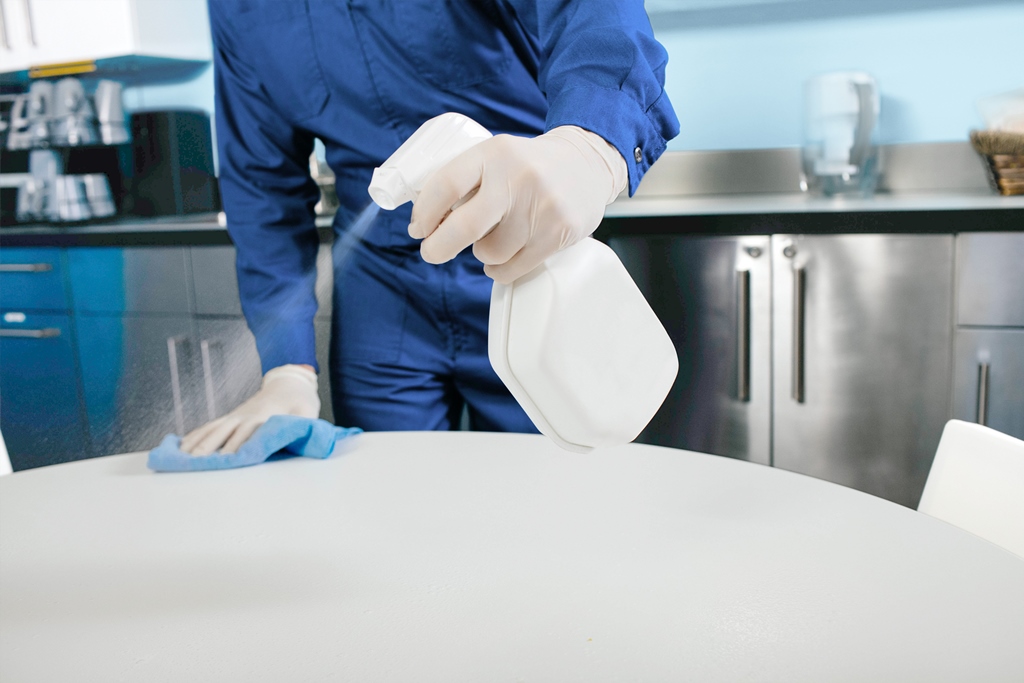
Plan, Prepare, and Respond
The virus that causes COVID-19 can land on surfaces. It’s possible for people to become infected if they touch those surfaces and then touch their nose, mouth, or eyes. In most situations, the risk of infection from touching a surface is low. The most reliable way to prevent infection from surfaces is to regularly wash hands with soap and water or use alcohol-based hand sanitizer. Cleaning and disinfecting surfaces can also reduce the risk of infection.
This guidance is indicated for buildings in community settings and is not intended for healthcare settings or for other facilities where specific regulations or practices for cleaning and disinfection may apply. Additionally, this guidance only applies to cleaning and disinfection to prevent the spread of the virus that causes COVID-19. It does not apply to any cleaning or disinfection needed to prevent the spread of other germs. Always follow standard practices and appropriate regulations specific to your type of facility for minimum standards for cleaning and disinfection.
When to Clean and When to Disinfect
Cleaning with products containing soap or detergent reduces germs on surfaces by removing contaminants and decreases risk of infection from surfaces.
If no one with confirmed or suspected COVID-19 has been in a space cleaning once a day is usually enough to remove virus that may be on surfaces. This also helps maintain a healthy facility.
Disinfecting using U.S. Environmental Protection Agency (EPA)’s List N disinfectantsexternal icon kills any remaining germs on surfaces, which further reduces any risk of spreading infection.
You may want to either clean more frequently or choose to disinfect in addition to cleaning in shared spaces if the space:
Is a high traffic area, with a large number of people.
Is poorly ventilated.
Does not provide access to handwashing or hand sanitizer.
Is occupied by people at increased risk for severe illness from COVID-19.
If a sick person or someone who tested positive for COVID-19 has been in your facility within the last 24 hours, you should clean AND disinfect the space.
Routine Cleaning
Develop Your Plan, Determine What Needs to Be Cleaned
Consider the type of surface and how often the surface is touched. Generally, the more people who touch a surface, the higher the risk. Prioritize cleaning high-touch surfaces at least once a day. If the space is a high traffic area, or if certain conditions (listed above) apply, you may choose to clean more frequently or disinfect in addition to cleaning. . Many cleaning products also include disinfectants. If you want to use cleaning products with disinfectants, choose those products listed on EPA List Nexternal icon
Implement
Clean High-Touch Surfaces
Clean high-touch surfaces at least once a day or as often as determined is necessary. Examples of high-touch surfaces include pens, counters, shopping carts, tables, doorknobs, light switches, handles, stair rails, elevator buttons, desks, keyboards, phones, toilets, faucets, and sinks.
Protect Yourself and Other Cleaning Staff
Ensure cleaning staff are trained on proper use of cleaning and disinfecting products.
Read the instructions on the product label to determine what safety precautions are necessary while using the product. This could include personal protective equipment (PPE), such as gloves, glasses, or goggles, additional ventilation, or other precautions.
Wash your hands with soap and water for 20 seconds after cleaning. Be sure to wash your hands immediately after removing gloves If hands are visibly dirty, always wash hands with soap and water.
If soap and water are not available and hands are not visibly dirty, use an alcohol-based hand sanitizer that contains at least 60% alcohol, and wash with soap and water as soon as you can.
Special considerations should be made for people with asthma. Some cleaning and disinfection products can trigger asthma. Learn more about reducing your chance of an asthma attack while disinfecting.